Steam Separators

Valveforce can offer a range of services and expert advice related to steam separators to ensure that the ideal solution is operational and effectively ensuring dry saturated steam is being delivered to site.

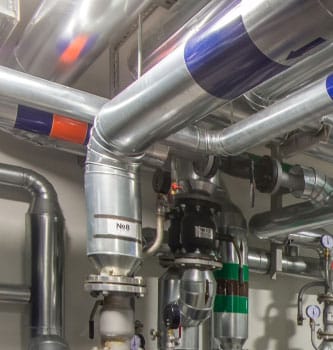
Steam separators are generally line sized pieces of equipment, which cause a change in velocity allowing the heavier moisture particles to drop out of suspension. The moisture can be in the form of water droplets, a mist, or small solid particles.

There are several different types of steam separators, but all in some way cause the moisture particles to come out of suspension and then to be removed by a ball float steam trap.

Experts in Design, Supply, Repair & Installation

Speak with our experts

Fill out our quick and easy contact form with your enquiry and we'll get back to you.

    Need to attach a file to your enquiry?

    This site is protected by reCAPTCHA and the Google Privacy Policy and Terms of Service apply.

    Steam Separators Explained

    Purpose

    Moisture particles can occur from carry over of water from the boiler, as well as when the steam gives up its useful heat in flowing through the pipe system. The steam generating plant may also be subject to overloading, which can contribute to carryover and priming. Poor water treatment can also lead to a stable foam layer building up on the boiler water surface, which may then be carried over into the steam distribution system. Additionally, where a steam main passes outside a building, additional moisture may be formed by being in a cooler ambient temperature. This can affect valves, heat exchangers and other plant in the system.

    Steam separators are used to remove these entrained particles and moisture from the system to maintain the dry saturated quality required, minimise erosion and reduce the risk of steam hammer.

    Steam Separators1

    Different Types of Steam Separator

    Baffle Type Separators

    Baffle type separators use several plates to cause the wet steam to change direction. The water droplets being heavier and settle on the plates and fall to the bottom of the separator, where they are removed by a steam trap.

    Baffle type separators tend to have a large volume and the velocity of the steam in the chamber is lower than that in the supply pipe. This makes them efficient at a wide rage of velocities and best suited to steam systems.

    Coalescing Separators

    Coalescing separators use a de-mister section, such as a wire wool pad. The wet steam passes through this with the heavier water particles getting trapped in this pad and dry steam passing through to the outlet. The moisture falls to the bottom of the chamber and is removed by a steam trap.

    Centrifugal Separators

    Centrifugal separators use a series of plates to cause the steam to increase velocity. This results in the heavier moisture particles being flung to the outer wall of the velocity, where they run down the wall and are removed by a steam trap.

    Steam Separator Benefits

    Benefits of Fitting Steam Separators

    • They removed water particles in suspension that a filter does not remove.
    • Water particles moving at high velocities can cause erosion on pipe bends and lead to steam- hammer, which can be very dangerous.
    • A water film inside pipework and on heat transfer surfaces, reduces overall heat transfer efficiency, and leads to greater energy consumption and higher fuel bills.

    Steam Separator Services

    Specification & Design

    At Valveforce, we understand the critical role that steam separators play in various industrial applications, ensuring the efficient operation of steam systems. Our expertise in specification and design services allows us to provide tailored solutions for a range of steam separators, including baffle type, centrifugal, and coalescing steam traps.

    Precision Sizing for Optimal Performance

    Valveforce recognises the critical importance of correctly sizing your steam separator to match the steam flow rate within your system. We conduct meticulous sizing calculations to ensure your separator efficiently removes moisture without causing unnecessary pressure drops or inefficiency, considering maximum steam flow rates, velocity, pressure, and desired steam quality.

    Our expertise in specification and design services allows us to provide tailored solutions for a range of steam separators, including baffle type, centrifugal, and coalescing steam traps. Our specification services begin with a thorough assessment of your operational requirements and system parameters. We work closely with our clients to evaluate factors such as steam pressure, flow rates, and the specific conditions of your application. This comprehensive analysis enables us to recommend the most suitable type of steam separator for your needs.

    spirax-sarco-transparent
    gestra-logo
    Kelburn Separation Specialists logo

    Baffle Type Steam Separators: Ideal for applications where large amounts of steam and water separation are required, baffle type separators utilize a series of baffles to disrupt the flow of steam and allow condensate to collect and drain away. Our team can design these separators to optimize performance and efficiency in your system.

    Centrifugal Steam Separators: For systems that require high-performance separation, our centrifugal separators can be designed to utilize centrifugal force to separate steam from water and other impurities. We can tailor the design to meet specific flow rates and pressure conditions, ensuring maximum efficiency and reliability.

    Coalescing Steam Separators: These separators are particularly effective in applications where fine droplets of water need to be removed from steam. Valveforce can provide design services that enhance the coalescing process, ensuring that your steam is as dry as possible, which can lead to increased efficiency and reduced energy costs.

    At Valveforce, our commitment to quality and performance ensures that we can provide reliable specification and design services for steam separators that meet the unique demands of your operations. Let us help you optimize your processes with our expert services tailored to your needs.

    Installation & Commissioning

    Installation Overview

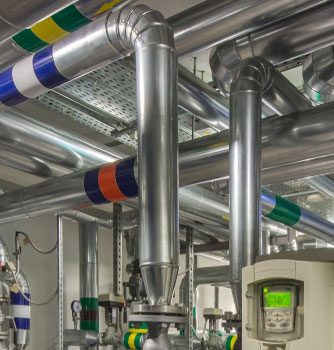
    Steam Separators are generally installed vertically in line and can be either horizontal long units or vertical tall units. When installing steam separators, you must consider the space available above and below.

    The units must be installed with a steam trap to remove the high temperature water condensate. The most suitable type of trap is generally the ball float type trap, which removes condensate as it forms. Sizing this trap requires some deliberation and it is best to seek the guidance of a steam system specialist such as Valveforce.

    Strategic Installation for Maximum Efficiency

    Our experts ensure the steam separator is installed in the most effective location within your system, typically just before steam-consuming equipment, to maximise moisture separation and protect critical components. We also ensure that your steam separator integrates flawlessly with your system's piping, valves, and fittings.

    Efficient Drainage System Implementation

    Proper drainage is essential for the effectiveness of a steam separator. Valveforce designs a suitable drainage system, incorporating steam traps and return lines to ensure efficient operation.

    Regulatory Compliance and Safety

    Valveforce adheres to relevant standards, codes, and regulations in the installation and commissioning of your steam separator, ensuring safety, efficiency, and environmental compliance.

    Pressure and Temperature Compatibility

    We ensure your steam separator is perfectly matched to the maximum expected steam pressure and temperature in your system, avoiding potential failures and ensuring safety and durability.

    Overhaul & Repair

    Clogging and Blockage

    Over time, accumulations of dirt, scale, and debris in both the separator and the trap can lead to reduced efficiency and blockages. Valveforce's service team expertly clears these obstructions, restoring full functionality and steam flow to your system.

    Wear and Tear

    Constant exposure to high-velocity steam and water droplets can wear down internal components. Our specialists can replace worn parts, extending the life and efficiency of your steam separator.

    Corrosion and Erosion

    The internal parts of a steam separator can corrode due to the presence of moisture and chemicals in the steam, leading to leaks or failure. Continuous impact of steam and entrained particles on the separators internal surfaces can lead to thinning of the walls and eventual failure. We tackle corrosion and erosion issues head-on, fortifying your system against leaks and failures, and ensuring it stands strong against the elements.

    Improper Installation or Sizing

    An incorrectly sized or installed steam separator can be a source of inefficiency. An undersized separator causes unnecessary pressure drops whilst an oversized separator doesn't effectively remove moisture. Valveforce's experts assess and rectify sizing and installation errors, optimizing your system for maximum performance.

    Seal and Gasket Failure

    Aging, extreme temperatures, and pressures can compromise seals and gaskets. Our repair services include the replacement of these critical components to prevent leaks and maintain system safety and efficiency.

    Condensate Backup

    To prevent water hammer, system damage, and efficiency losses, Valveforce ensures proper condensate drainage, addressing blocked drain lines or malfunctioning steam traps.

    Maintenance & Service

    Preparation

    - Shutdown and Depressurization: Ensure the steam system is completely shut down and depressurized before beginning maintenance. This is critical for safety.
    - Isolation: Close all inlet and outlet valves to isolate the steam separator from the rest of the system.
    - Cooling: Allow the separator to cool down to a safe temperature for handling.

    Visual Inspection

    - External Inspection: Check the external surface of the steam separator for any signs of corrosion, cracks, or other physical damage.
    - Internal Inspection: Open the inspection ports (if available) and check the internal components for wear, tear, or clogging.
    - Welds and Joints: Inspect welds and joints for cracks or leaks.

    Cleaning

    - Internal Cleaning: Remove any accumulated sludge, scale, or debris from inside the separator. Depending on the design, this may involve manual cleaning or using cleaning agents.
    - Filter and Mesh Cleaning: Clean or replace any internal filters or mesh screens. These components often trap debris and need regular cleaning.
    - Drainage System: Ensure that the drainage system (including any float traps or valves) is free of blockages.

    Component Check and Replacement

    - Baffles and Plates: Inspect baffles, plates, and any other separation components. Replace if there is significant wear or damage.
    - Seals and Gaskets: Check seals and gaskets for signs of wear or leakage. Replace as necessary.
    - Inlet and Outlet Connections: Ensure that inlet and outlet connections are free of blockages and that no signs of corrosion or wear are present.

    Pressure Testing

    - Reassemble: After cleaning and inspecting, reassemble the steam separator carefully, ensuring all parts are correctly aligned and secured.
    - Hydrostatic Testing: Perform a hydrostatic test to check for leaks. This involves filling the separator with water and pressurizing it to test for integrity.
    - Functional Testing: Once reassembled, conduct a functional test by gradually introducing steam into the system and monitoring for proper operation.

    Pressure Testing

    - Reassemble: After cleaning and inspecting, reassemble the steam separator carefully, ensuring all parts are correctly aligned and secured.
    - Hydrostatic Testing: Perform a hydrostatic test to check for leaks. This involves filling the separator with water and pressurizing it to test for integrity.
    - Functional Testing: Once reassembled, conduct a functional test by gradually introducing steam into the system and monitoring for proper operation.

    Final Inspection and Documentation

    - Operational Check: Monitor the separator during initial operation to ensure it's functioning correctly.
    - Record Keeping: Document all maintenance activities, including inspections, replacements, and tests. Maintain a record for future reference.

    Overhaul Specifics

    - Disassembly: For a full overhaul, disassemble the steam separator completely, including removal of all internal components.
    - Component Replacement: Replace worn or damaged components with OEM parts to ensure compatibility and reliability.
    - Reassembly and Testing: After replacing components, carefully reassemble the separator, conduct pressure and functional tests, and perform a thorough final inspection.

    Safety Considerations

    - Personal Protective Equipment (PPE): Always use appropriate PPE, such as gloves, eye protection, and hard hats.
    - Ventilation: Ensure proper ventilation when using cleaning agents to avoid exposure to harmful fumes.
    - Lockout/Tagout (LOTO): Implement LOTO procedures to prevent accidental energization during maintenance.

    Recommissioning

    - System Check: Before putting the steam separator back into service, check the entire system for leaks, pressure integrity, and operational efficiency.
    - Gradual Start-Up: Gradually reintroduce steam into the system, monitoring for any abnormalities.

    Written Scheme of Examination

    Large steam separators can have a sizeable volume to make them inspectable under a Written Scheme of Examination. Therefore, they may need to be included in the list of inspectable plant and you should consider access to them for this purpose.

    If you have problems with steam quality or would like to discuss the use of steam separators on your plant in more detail, please call Valveforce on 0121 711 1908 or use our contact form where our team of steam system specialists will be pleased to help.

    For more information,

    Access our free brochure

    For more information,

    Watch our short film

    accreditation-final.png