Check Valves

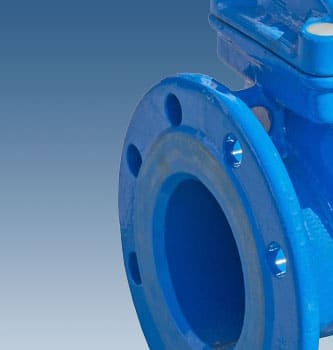
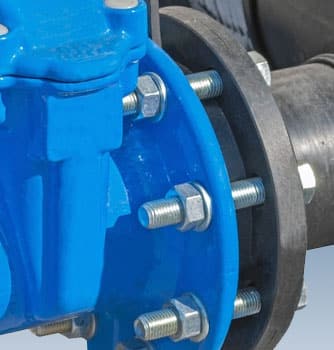
Valveforce are in a position to be able to offer a vast comprehensive range of check valves (otherwise known as non return valves). These valves are installed in pipeline systems to allow flow in one direction only. These valves are directional, so flow can travel through the normal direction and when flow is reversed, the direction change closes the valve meaning the valves are self-acting i.e. require no actuator.

Experts in Design, Supply, Repair & Installation

Speak with our experts

Fill out our quick and easy contact form with your enquiry and we'll get back to you.

    Need to attach a file to your enquiry?

    This site is protected by reCAPTCHA and the Google Privacy Policy and Terms of Service apply.

    Check Valves Explained

    Check valves are essential components in all industries. They are designed to allow steam to flow in one direction only while preventing backflow, which can cause damage to equipment and interrupt the steam system.

    Check valves are commonly used in steam pipelines, steam traps, and other steam applications to ensure the safe and efficient operation of the system. By preventing reverse flow, check valves help to maintain the intended direction of your system, improve system performance, and minimise the risk of steam-related accidents or failures.

    Check Valve Services

    Specification & Design

    Valveforce is proud to offer comprehensive specification and design services tailored to your check valve requirements. We can supply a range of non return valve types including tilting disc, spring and disc and swing check valves.

    Tilting Disc Check Valves

    • Rapid response with the oblique seat design which reduces closing travel
    • Low pressure drop and low opening pressure
    • Minimal flow interference through the valve
    • Check valve with excellent tightness and superior surface finish
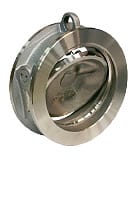
    tilting-disc-check-valves

    Spring And Disc Check Valves

    • The most cost effective solution for small to medium pipes
    • Design advantages include: Rapid opening and closing characteristics with spring allowing for a minimum opening pressure to be set
    • Ideal on boiler feed lines where they can protect the boiler and feed water tank from flooding by use of a heavy duty spring
    • Split disc design overcomes all size and pressure drop limitations
    • Eccentric disc reduces pressure drop characteristics further for maximum performance
    • Double check valves suitable for very low pressure drops
    • High pressure model PN64-100 available
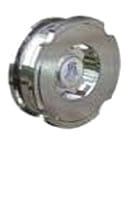
    spring-disc-check-valves

    Swing Check Valves

    • Useful alternative to spring and disc valves with less limitations on size
    • Simple and cost effective in construction for specific applications
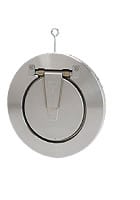
    swing-check-valves

    Installation & Commissioning

    Precise Sizing and Selection

    Valveforce ensures that your check valve is appropriately sized for your system. We consider factors such as flow rate, pressure, temperature, and system characteristics. Our experts select the correct valve type (swing check, lift check, etc.) based on your specific application requirements, ensuring optimal performance and longevity.

    Correct Orientation and Positioning

    Valveforce installs check valves in the correct orientation, matching the flow direction arrow on the valve body with your system's flow direction. We strategically position the valves to prevent issues such as water hammer and trapped condensate, ensuring smooth and efficient operation.

    Accessibility for Maintenance

    Understanding the importance of maintenance, Valveforce installs check valves in easily accessible locations. This allows for straightforward inspection, maintenance, and replacement, minimising downtime and disruption to your system.

    Material Compatibility

    Valveforce selects materials for check valves that are compatible with the media in question, preventing corrosion, scaling, and other forms of deterioration. This ensures the valve's longevity and reliable function under various operating conditions.

    Thorough Testing and Commissioning

    After installation, Valveforce conducts comprehensive testing under operational conditions to verify that check valves function correctly. We check for leaks, ensure proper operation (opening and closing), and confirm there is no adverse impact on the system's performance.

    Avoiding Water Hammer

    Valveforce positions check valves correctly and uses designs that minimise the risk of water hammer. Our expert installation prevents the reverse flow that can lead to shock waves in the system, protecting your valves and piping from damage.

    Overhaul & Repair

    Wear and Tear

    Our team expertly handles the wear and tear on valve components caused by high pressure and temperature, performing necessary replacements or repairs to discs, seats, and springs to eliminate leaks and restore efficiency.

    Corrosion

    To combat corrosion resulting from condensate, Valveforce utilises corrosion-resistant materials and coatings, strengthening the valve against acidic or contaminated condensate and preserving its structural integrity.

    Scaling

    We provide descaling services to remove mineral buildup, ensuring the valve operates smoothly without being hindered by scale, thus maintaining proper function and preventing sticking.

    Backflow and Water Hammer

    Valveforce addresses malfunctioning check valves to prevent backflow and the resultant water hammer, implementing solutions that protect your system from sudden pressure surges and equipment damage.

    Failure of Internal Components

    We closely inspect and replace fatigued or stressed springs, hinges, and moving parts within the valve to prevent and address failures, ensuring reliable valve operation.

    Maintenance & Service

    Preparation

    If you are seeking a partner to provide planned maintenance or regular service arrangements for your check valves then Valveforce is here to assist. Our wide range of service and maintenance options and delivered with expertise ensure that you can be confident that your valves are maintained and serviced safely and promptly.

    Offering check valve maintenance, repairs, and testing on-site or via our workshop, we can cater for all situations to suit the situation. Valveforce also offer valve diagnostics, performance analysis, and troubleshooting to identify any potential problem and ensure your valves are operating as intended. We offer rapid response times and commitment to delivering a top quality service.

    Find our more about our check valve maintenance services.

    Preparation

    System Shutdown: Safely shut down the system where the check valve is installed. Isolate the valve from the system and ensure the pipeline is depressurized.
    Lockout/Tagout (LOTO): Implement LOTO procedures to prevent accidental operation or re-pressurization during maintenance.
    Drainage: Drain any remaining fluids from the valve and connected piping to prevent spills during disassembly.

    External Inspection

    Visual Inspection: Inspect the external condition of the check valve, including the body, flanges, and connections. Look for signs of wear, corrosion, or physical damage.
    Connection Check: Ensure that all connections (e.g., flanges, threaded connections) are secure and in good condition. Check for any signs of leaks or misalignment.
    Cleanliness: Check for dirt, debris, or foreign objects that could affect valve operation. Clean the external surfaces if necessary.

    Disassembly

    Valve Removal: Carefully remove the check valve from the pipeline according to the manufacturer’s instructions.
    Disassembly Process: Disassemble the check valve into its component parts, including the valve body, seat, disc, and spring (if applicable).
    Careful Handling: Handle all components carefully to avoid damage, particularly to the seating surfaces and the disc.

    Internal Inspection

    Valve Disc Inspection: Examine the valve disc for wear, damage, or deformation. Ensure that it is free of cracks, corrosion, or erosion.
    Seat Inspection: Inspect the valve seat for wear, pitting, or corrosion. The seating surface should be smooth and free from damage to ensure a proper seal.
    Spring Inspection: If the check valve has a spring, check it for wear, corrosion, or loss of tension. Replace if necessary.
    Body Inspection: Inspect the internal surfaces of the valve body for signs of corrosion, scaling, or debris accumulation.

    Cleaning

    Component Cleaning: Clean all internal and external components of the valve, including the body, disc, seat, and spring. Use appropriate cleaning agents compatible with the valve materials.
    Debris Removal: Ensure that all debris, scale, and deposits are thoroughly removed, particularly from the seating surfaces.

    Component Replacement

    Seal and Gasket Replacement: Replace all seals, gaskets, and O-rings as part of the overhaul. These components are critical for preventing leaks and ensuring a proper seal.
    Disc and Seat Replacement: If the valve disc or seat is significantly worn or damaged, replace them with new components that match the valve’s specifications.
    Spring Replacement: Replace the spring if it shows signs of wear, corrosion, or loss of elasticity. Use a spring that meets the original specifications.

    Reassembly

    Reassemble the Valve: Carefully reassemble the check valve, ensuring all components are correctly aligned and securely fastened. Follow the manufacturer’s guidelines for reassembly.
    Torque Specifications: Apply the correct torque to all fasteners to ensure the valve is properly sealed without causing damage.

    Testing and Calibration

    Leak Testing: Perform a leak test on the reassembled valve to ensure that it seals correctly and does not allow backflow.
    Functional Testing: Test the valve’s operation to ensure it opens and closes properly under normal system conditions.
    Pressure Testing: Conduct a pressure test if required to verify that the valve can withstand the system’s operating pressure without leaking or failing.

    Final Inspection and Documentation

    Final Visual Inspection: Conduct a final inspection of the reassembled valve to ensure everything is in good condition and properly aligned.
    Documentation: Record all maintenance and overhaul activities, including parts replaced, test results, and any adjustments made. This documentation is crucial for future reference and compliance with industry standards.

    Reinstallation

    Reinstall the Valve: Reinstall the check valve into the pipeline, ensuring proper orientation and secure connections.
    System Repressurisation: Gradually bring the system back to operating pressure, monitoring the valve for any signs of leaks or abnormal operation.

    Post-Service Support

    Operator Training: Provide training to operators on the correct operation and maintenance of the check valve. Ensure they understand how to monitor the valve’s performance and respond to any issues.
    Scheduled Follow-Up: Arrange for a follow-up inspection or service to verify that the valve continues to operate correctly after the overhaul.

    Regular Maintenance Plan

    Routine Inspections: Establish a routine maintenance schedule for check valves, including periodic inspections, cleaning, and functional testing.
    Preventive Maintenance: Implement preventive maintenance strategies to address potential issues before they lead to valve failure, such as regular checks for signs of wear or damage.

    For more information,

    Access our free brochure

    For more information,

    Watch our short film

    accreditation-final.png