Steam Warm Up Systems

Valveforce offers expert guidance on steam warm-up systems. Our comprehensive surveys are designed to optimise performance, ensuring maximum efficiency, cost-effectiveness, and longevity.
With experienced engineers and advanced technology, we provide tailored solutions to meet your needs—whether it's improving energy efficiency, reducing downtime, or enhancing overall performance. Count on us for detailed assessments to help you get the most out of your steam warm-up system.

Experts in Design, Supply, Repair & Installation

Speak with our experts

Fill out our quick and easy contact form with your enquiry and we'll get back to you.

    Need to attach a file to your enquiry?

    This site is protected by reCAPTCHA and the Google Privacy Policy and Terms of Service apply.

    Steam Warm Up Systems Explained

    The initial start-up/warm-up stage of a steam system is often the most problematic and at which high condensate and thermal expansion levels within the steam system and steam line occur.

    To counter these issues, a steam warmup valve is therefore essential to ensure the safe and reliable operation of the wider steam system.

    Here, to optimise safety and reliability, the steam line is warmed over a predetermined period to bring the system to its desired pressure and temperature.

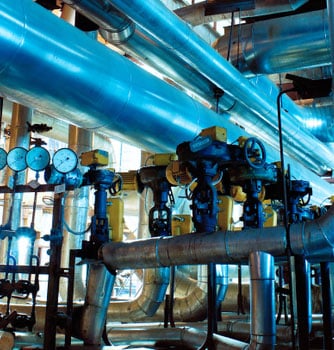
    Steam warmup valves are usually installed on the steam line in a piped or bypass loop configuration and work in conjunction with an isolation valve (typically of gate, butterfly or ball valve construction) or fitted within a pressure reducing valve station. During the predetermined warmup period, the smaller warmup valve is opened ahead of the larger isolation valve or PRV, allowing small quantities of steam into the system to gradually warm up components and pipes. This warming also helps to ensure pressure is equal on both sides of the larger valve, which is essential as it enables the valve to be opened without external force and reduces wear and tear by reducing thermal shock, water hammer, wire drawing and erosion.

    Steam-Warmup-System

    Steam Warmup Services

    Specification & Design

    Precise Design and Sizing

    Steam warm up systems are important to avoid thermal shock, as sudden increases from cool to steam temperatures causes thermal shock and fatigue. This is where slow opening valves play a vital part. Correct design and implemtation of control systems will increase the life expectancy of your plant.

    Advanced Material Selection

    Corrosion Resistance: Valveforce selects materials resistant to the corrosive effects of steam and condensate, ensuring longevity and reliability for pipes, valves, and fittings.

    We design with safety and performance at the forefront, ensuring the pressure rating and temperature tolerance exceed your system's maximum operating conditions.

    von-rohr-no-bg

    Installation & Commissioning

    Installation Best Practices

    Proper Insulation: Valveforce insulates steam distribution and condensate return lines to minimise heat loss and enhance efficiency, ensuring optimal system performance.

    Rigorous Commissioning and Testing

    We can test your slow opening warm up system, to ensure they transition between cold to warm to operating control patterns seamlessly. We verify all compenents to ensure they operate as required and wherever there are any issues, we can advise you accordingly.

    Advanced Control and Monitoring Systems

    Automated Controls: Valveforce installs automated control systems for precise regulation of the warmup process, including temperature and pressure controls, ensuring efficient and reliable operation.

    Monitoring Equipment: We implement monitoring equipment, such as temperature and pressure sensors, to ensure your system operates within its designed parameters, providing real-time data for optimal control.

    Comprehensive Safety Measures

    Safety Valves: Valveforce installs safety valves to protect your system against overpressure conditions, enhancing operational safety.

    Venting: We ensure proper venting of air and non-condensable gases from the system to prevent corrosion and ensure efficient heat transfer, maintaining system performance and safety.

    Maintaining Steam Quality

    Water Treatment: Valveforce implements comprehensive water treatment programs to minimise scale and corrosion, maintaining high steam quality and system efficiency.

    Dry Steam: We can review and work on boilerhouse and steam distribution to ensure your steam is dry, therefore preventing component damage, erosion, inefficient heat transfer and system contamination, safeguarding your system's integrity.

    Training and Documentation

    Operator Training: Valveforce provides extensive training to your operators on the proper operation and maintenance of the steam warmup system, ensuring they are well-equipped to manage the system efficiently.

    Documentation: We maintain detailed documentation, including installation records, operating procedures, and maintenance schedules, ensuring all necessary information is readily available for reference.

    Overhaul & Repair

    Condensate Back-Up

    Valveforce’s maintenance services ensure your steam traps and condensate return lines are functioning flawlessly, preventing water hammer, corrosion, and inefficiencies caused by condensate back-up.

    Corrosion

    Through comprehensive water treatment and regular system inspections, Valveforce combats corrosion, protecting your system from leaks, efficiency loss, and component failure, extending the lifespan of your warmup system.

    Scale Build-Up

    Our water treatment solutions and periodic cleaning regimes prevent scale accumulation, safeguarding your system against overheating and ensuring optimal heat transfer efficiency.

    Steam Leakage

    Valveforce’s meticulous inspections and maintenance programs identify and repair leaks in valve stems, flanges, and connections, conserving steam, enhancing system efficiency, and reducing operational costs.

    Faulty Steam Traps

    Recognising the pivotal role of steam traps, Valveforce conducts regular testing and maintenance, ensuring these critical components effectively remove condensate while preserving steam within the system, boosting overall efficiency.

    Improper Warmup Procedures

    Valveforce emphasises the importance of proper training for operators, ensuring adherence to recommended warmup procedures to avoid thermal stress and system damage, promoting uniform temperature distribution and system integrity.

    Control System Malfunctions

    With expertise in automated control systems, Valveforce ensures your warmup process is precisely regulated, preventing improper warmup rates and potential system damage through regular calibration and maintenance.

    Insulation Failure

    Valveforce assesses and enhances your system’s insulation, minimising heat loss, maximising efficiency, and reducing energy costs, ensuring your insulation is both intact and effective.

    Maintenance & Service

    Steam Warm Up Systems Survey

    To ensure the correct specification of a steam warmup system, Valveforce can undertake site surveys to determine:

    • bespoke system design and construction
    • installation
    • commissioning
    • servicing/maintenance contracts

    If you’re looking for new steam warmup system or replacement warmup valves for your steam line, call Valveforce on 0121 711 1908 or complete our contact form to discuss your requirements.

    Survey Coverage

    The steam warm-up system in a boiler is crucial for gradually bringing the boiler up to operating temperature, ensuring that thermal stresses are minimized and the system operates safely and efficiently. Proper maintenance and overhaul of this system help to prevent damage to the boiler and its components, ensuring smooth and reliable operation.

    Preparation

    System Shutdown: Ensure the boiler is shut down and the steam warm-up system is isolated. Allow the system to cool before starting any maintenance work.
    Lockout/Tagout (LOTO): Implement LOTO procedures to ensure the system cannot be accidentally energized or pressurized during maintenance.
    Depressurization: Verify that the system is fully depressurized and vented to avoid any accidental release of steam or hot water.

    Visual Inspection

    External Inspection: Inspect all external components of the steam warm-up system, including pipes, valves, strainers, traps, and insulation. Look for signs of wear, leaks, corrosion, or physical damage.
    Valve Inspection: Check all valves in the system for proper operation. Ensure they are not leaking and that manual valves are easy to operate. Automatic valves should respond correctly to control signals.
    Pipework Inspection: Inspect the piping for signs of corrosion, scaling, or mechanical damage. Pay attention to joints, bends, and areas near supports for any signs of stress or leaks.

    Internal Inspection

    Disassembly: If necessary, disassemble key components such as valves, steam traps, and strainers to inspect their internal condition. Follow the manufacturer’s guidelines for safe disassembly.
    Internal Corrosion Check: Inspect the internal surfaces of the piping, valves, and other components for corrosion, scaling, or sediment buildup. Look for any signs of erosion or wear that could affect system performance.
    Steam Trap Inspection: Inspect steam traps for proper operation. Check for blockages, wear, or damage that could prevent them from functioning correctly. Replace traps if they are not operating efficiently.

    Cleaning

    Pipe and Component Cleaning: Clean the internal surfaces of the piping and components to remove any scale, sludge, or sediment. Use appropriate cleaning tools and chemicals that will not damage the system.
    Valve Cleaning: Clean the valve components, including the seating surfaces, stems, and actuators. Remove any deposits that could interfere with proper valve operation.
    Strainer Cleaning: Clean strainers to remove any debris or blockages that could affect steam flow. Replace strainers if they are damaged or excessively clogged.

    Component Inspection and Replacement

    Valve and Actuator Inspection: After cleaning, inspect valves and actuators for wear, corrosion, and proper operation. Replace any components that are not operating smoothly or show signs of leakage.
    Gasket and Seal Replacement: Inspect all gaskets and seals within the system. Replace any that are worn, damaged, or no longer providing an effective seal to prevent leaks.
    Steam Trap Replacement: Replace any steam traps that are malfunctioning or have reached the end of their service life. Ensure the new traps are correctly sized and installed.

    System Reassembly

    Reassembly of Components: Carefully reassemble all components that were disassembled during the inspection and cleaning process. Ensure that all parts are correctly aligned, tightened, and that seals are properly installed.
    Welding and Fastening: If any piping or components were replaced, ensure all welding and fastening are performed to the required standards for steam systems.

    Testing and Calibration

    Valve Operation Testing: Test the operation of all valves, both manual and automatic, to ensure they open and close correctly and that there are no leaks.
    Pressure Testing: Perform a pressure test on the system to check for leaks and ensure that the system can handle the required operating pressures.
    Steam Trap Testing: Test the operation of all steam traps to ensure they are effectively removing condensate and preventing steam loss.

    Final Inspection and Documentation

    Final Visual Inspection: Conduct a thorough final inspection of the steam warm-up system to ensure all components are correctly assembled and functioning properly.
    Documentation: Document all maintenance and overhaul activities, including parts replaced, test results, and any adjustments made to the system. Keep records for future reference and compliance with safety regulations.

    Recommissioning

    System Integration: Reintegrate the steam warm-up system into the boiler operation. Gradually bring the boiler back online, monitoring the warm-up system for any leaks, abnormal noises, or performance issues.
    Monitoring: During the initial warm-up phase, closely monitor the system to ensure it is operating correctly. Check for any signs of steam leaks, improper valve operation, or condensate accumulation.

    Post-Service Support

    Operator Training: Provide training to operators on the correct operation and maintenance of the steam warm-up system. Ensure they understand how to monitor the system, perform routine inspections, and respond to any issues that may arise.
    Scheduled Follow-Up: Arrange for a follow-up inspection after a specified period to verify that the system continues to operate correctly and efficiently after the overhaul.

    Regular Maintenance Plan

    Routine Inspections: Establish a regular maintenance schedule for the steam warm-up system, including periodic inspections, cleaning, and testing. This schedule should be based on the operating conditions and the specific requirements of the boiler system.
    Preventive Maintenance: Implement preventive maintenance strategies, such as regular valve inspections and steam trap testing, to prevent issues from developing and to maintain optimal system performance.

    For more information,

    Access our free brochure

    For more information,

    Watch our short film

    accreditation-final.png