Shell and Tube Heat Exchanger
Heatxforce provides expert support for shell & tube heat exchangers across the full service lifecycle, including specification and design, overhaul and repair, installation, maintenance, and servicing. Whether the requirement is for a new unit, a replacement exchanger, a system upgrade, or support for existing equipment, we help ensure shell & tube heat exchangers are matched to the application and perform reliably in demanding environments.
Our service is designed to support the long-term efficiency and dependability of commercial and industrial heating and cooling systems. From redesigning and upgrading older equipment to carrying out repairs, planned maintenance, and professional installation, Heatxforce delivers practical shell & tube heat exchanger solutions focused on performance, reliability, and reduced downtime.
Experts in Design, Supply, Repair & Installation
Speak with our experts
Fill out our quick and easy contact form with your enquiry and we'll get back to you.
Shell & Tube Heat Exchangers Explained
What Are Shell & Tube Heat Exchangers?
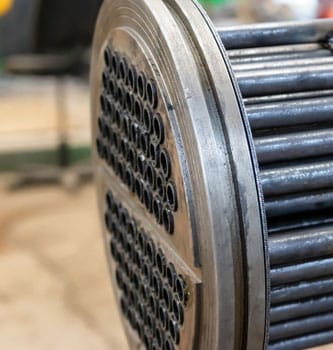
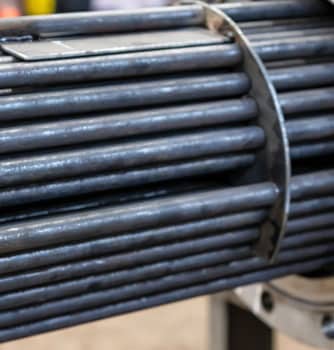
Shell & tube heat exchangers are widely used heat transfer units designed to move heat from one fluid to another without the two fluids mixing. They consist of a bundle of tubes housed inside a larger outer shell. One fluid flows through the tubes while the other flows around the outside of the tubes within the shell, allowing heat to pass through the tube walls from one medium to the other.
They are known for their strength, versatility, and ability to handle demanding operating conditions. Because of their robust design, shell & tube heat exchangers are commonly selected for applications involving high temperatures, high pressures, or fluids that require reliable and controlled heat transfer in continuous operation.
How Do Shell & Tube Heat Exchangers Work?
Shell & tube heat exchangers work by keeping two fluids separate while allowing heat to transfer between them through the walls of the tubes. A hot fluid may pass through the tube bundle while a cooler fluid flows through the shell around the tubes, or the arrangement may be reversed depending on the application. As the two fluids move through the exchanger, heat naturally passes from the hotter side to the cooler side.
Baffles inside the shell help direct the flow and improve heat transfer by increasing the contact time and turbulence around the tubes. The efficiency of the exchanger depends on factors such as flow rate, temperature difference, tube arrangement, materials, and overall design. When properly specified and maintained, shell & tube heat exchangers provide reliable, efficient performance in a wide range of operating conditions.
Where Are Shell & Tube Heat Exchangers Used?
Shell & tube heat exchangers are used across a wide range of commercial and industrial sectors where heating or cooling is a critical part of the process. They are commonly found in manufacturing plants, chemical processing facilities, food production, pharmaceuticals, oil and gas operations, marine systems, power generation, and building services.
They are used for duties such as heating process fluids, cooling oils and water, condensing vapours, recovering heat, and supporting temperature control in larger systems. Their flexibility makes them suitable for both general-purpose and highly demanding applications where durability and consistent thermal performance are essential.
Why Are Shell & Tube Heat Exchangers Important?
Shell & tube heat exchangers are important because they provide a dependable and efficient way to manage heat in systems where performance, durability, and process control matter. Their design allows them to cope with tough operating environments while maintaining steady heat transfer over long periods of use.
They are also valued for their serviceability, as many designs can be maintained, repaired, or adapted to suit changing requirements. This makes them a practical long-term solution for businesses that need reliable heating and cooling equipment with strong performance and proven durability.
Shell and Tube Heat Exchanger Services
Specification & Design
Thermal Performance
Ensuring the heat exchanger design maximises heat transfer efficiency and adheres to temperature and pressure limits. Ensuring the heat exchanger design maximises heat transfer efficiency involves calculating the appropriate heat transfer area and selecting the right tube and shell arrangements. Additionally, it’s crucial to consider the operating temperatures and pressures of both steam and process fluids to prevent material failure and ensure efficient heat transfer.
Heatxforce performs detailed thermal performance calculations and simulations to determine the optimal heat transfer area and configuration. Our designs are tailored to the specific temperature and pressure conditions of your system, ensuring that the heat exchanger operates at peak efficiency and that materials are selected to withstand the operating conditions without degradation.
Fluid Properties
Steam characteristics such as pressure, temperature, and whether it is saturated or superheated affect heat transfer efficiency and pressure drop. Similarly, process fluid properties, including viscosity, thermal conductivity, and potential for fouling, impact the design and operation of the heat exchanger.
Our team conducts comprehensive analyses of both steam and process fluids. We use this data to design heat exchangers that accommodate varying fluid conditions. This includes optimising the design to handle high-viscosity fluids or fluids with high fouling potential, ensuring that the heat exchanger performs efficiently across all operating conditions.
Material Selection
Selecting materials that resist corrosion, erosion, and can handle the thermal expansion and contraction is crucial for the longevity and reliability of the heat exchanger. The materials must be compatible with both steam and process fluids to avoid premature failure.
We carefully select materials based on their resistance to corrosion and erosion in the specific operating environment of your heat exchanger. Our materials expertise includes recommending high-performance alloys and coatings where necessary. We also consider thermal expansion properties to ensure that the materials can handle temperature fluctuations without compromising structural integrity.
Fouling Considerations
If the process fluids are prone to fouling, it is important to design the heat exchanger for easy cleaning and maintenance. Fouling can reduce heat transfer efficiency and increase operational costs if not managed properly.
We incorporate design features such as removable baffles, tube bundles, and access ports to facilitate cleaning and maintenance. Our design approach includes anticipating fouling tendencies and incorporating features that minimise downtime and maintenance effort, ensuring that the heat exchanger remains efficient over its operational life.
Pressure Drop
Pressure drop across the heat exchanger affects fluid flow and overall system efficiency. Minimising pressure drop is essential to reduce energy consumption and ensure efficient operation of the heat exchanger and connected systems.
Our design optimises fluid flow paths and incorporates advanced computational fluid dynamics (CFD) simulations to minimise pressure drop. By carefully designing the tube arrangement and shell side configurations, we ensure that the heat exchanger operates with minimal pressure losses, enhancing overall system efficiency and reducing energy costs.
Safety and Codes
Compliance with industry standards and codes such as ASME or API is essential for safety and regulatory reasons. Incorporating appropriate safety margins is also crucial to handle variations in operating conditions and potential system upsets.
Heatxforce ensures that all designs adhere to relevant industry standards and codes. We include safety margins in our designs to account for potential variations in operating conditions and ensure that the heat exchanger operates safely and reliably. Our expertise in regulatory requirements guarantees that your heat exchanger meets all necessary standards for safety and performance.
Mechanical Design
Proper support and mounting of the heat exchanger are necessary to manage operational vibrations and thermal stresses. Additionally, expansion joints may be required to accommodate thermal expansion and contraction.
We design robust support structures and mounting solutions to handle vibrations and thermal stresses effectively. Our designs also incorporate expansion joints or compensators where needed to manage thermal expansion and contraction, preventing damage and ensuring long-term reliability.
Maintenance and Accessibility
Designing the heat exchanger for easy access to components for routine maintenance is essential to reduce downtime and operational disruptions. Components such as tube bundles should be easily accessible for cleaning and inspection.
Heatxforce prioritises ease of maintenance in our designs by incorporating features that allow for straightforward access to critical components. Our design ensures that the heat exchanger can be easily cleaned and inspected, reducing maintenance time and operational interruptions, and helping to keep your system running smoothly.
Cost
Balancing the initial investment with long-term operational and maintenance costs is important for cost-effectiveness. The goal is to achieve optimal performance while remaining within budget constraints.
We provide cost-effective solutions by carefully considering both initial investment and long-term operational costs. Our design approach aims to deliver high performance while optimising lifecycle costs, ensuring that your heat exchanger provides value over its operational lifespan.
Environmental / Operational Conditions
Assessing the environmental impact of the heat exchanger and ensuring compliance with environmental regulations is essential for sustainability and regulatory adherence.
Heatxforce evaluates the environmental impact of our designs and ensures compliance with all relevant environmental regulations. We design heat exchangers that meet operational requirements while also addressing environmental considerations, contributing to sustainable and responsible operation.
Installation & Commissioning
Design and Specifications
Properly sizing the Shell and Tube Heat Exchanger and selecting materials compatible with both shell-side and tube-side fluids is crucial. Inaccurate sizing or material selection can lead to inefficiencies or equipment failure.
Heatxforce conducts a thorough analysis of your system’s requirements to determine the optimal size and configuration of the Shell and Tube Heat Exchanger. We carefully select materials that match the chemical and thermal properties of the fluids involved, ensuring both effective heat transfer and long-term durability.
Installation Location
The installation location must allow for adequate space for maintenance and should address potential issues with vibration and noise, which can affect surrounding equipment and structures.
Our team evaluates your facility to recommend an installation location that provides easy access for routine maintenance and inspections. We also implement vibration isolation techniques and noise reduction measures to protect both the heat exchanger and your facility’s environment.
Piping and Connections
Accurate alignment and proper support for both shell-side and tube-side piping are essential to prevent mechanical stress, leaks, and operational issues.
Heatxforce ensures precise alignment of all piping connections, whether on the shell or tube side, to avoid undue stress on the heat exchanger. We also provide robust support systems to stabilise the piping and minimise vibrations, which helps prevent potential leaks and damage.
Thermal Expansion
Differential thermal expansion between the shell and tube sides can cause stress and potential damage if not managed correctly.
We design and install expansion compensators and loops tailored to handle thermal expansion and contraction. This approach minimises stress on the heat exchanger and maintains system integrity throughout varying operating conditions.
Pressure and Temperature Ratings
Ensuring that all components, including the Shell and Tube Heat Exchanger and associated piping, are rated for the system’s maximum operating pressures and temperatures is vital for safe and efficient operation.
Heatxforce verifies that every component of the heat exchanger system meets or exceeds the pressure and temperature ratings required by your operation. This thorough verification helps ensure safe, reliable performance under your system’s conditions.
Insulation
Proper insulation is necessary to prevent heat loss and condensation, which can impact energy efficiency and cause damage to the heat exchanger.
We apply high-quality thermal insulation to both the shell and tube sides of the heat exchanger. This insulation minimises heat loss, improves energy efficiency, and prevents condensation, thus protecting the equipment and reducing operating costs.
Safety Considerations
Installing appropriate safety valves and managing effective drainage are critical to handle overpressure and prevent issues with trapped air or condensate.
Heatxforce installs safety valves designed for both the shell and tube sides of the heat exchanger, ensuring protection against overpressure conditions. We also implement proper drainage and venting solutions to manage condensate and avoid air pockets, enhancing system safety.
Commissioning
Proper commissioning is essential to ensure that the Shell and Tube Heat Exchanger operates as intended, with all systems tested and calibrated correctly.
Our commissioning process includes comprehensive testing and calibration of the heat exchanger. We follow detailed startup procedures to check for leaks, verify operational parameters, and ensure all controls and safety systems are functioning correctly, ensuring a smooth and efficient startup.
Maintenance and Inspection
Regular maintenance and inspection are necessary to keep the Shell and Tube Heat Exchanger operating efficiently and to identify potential issues before they become serious problems.
We offer a structured maintenance and inspection program tailored to the unique needs of Shell and Tube Heat Exchangers. This program includes routine checks, cleaning, and necessary adjustments to keep the system running optimally and extend the lifespan of your equipment.
Compliance and Regulations
Adhering to industry standards and regulations is crucial for ensuring the safety and performance of the Shell and Tube Heat Exchanger.
Heatxforce ensures that all aspects of the installation, commissioning, and maintenance processes comply with relevant industry standards and regulations. This adherence guarantees that your heat exchanger operates safely and efficiently, meeting all regulatory requirements.
Overhaul & Repair
Tube Leaks
Over time, corrosion, erosion, or vibration can wear down tubes, leading to leaks that cause fluid contamination and create safety risks.
Heatxforce provides expert tube replacement and retubing services, restoring your heat exchanger’s integrity and preventing fluid cross-contamination, ensuring safe and reliable operation.
Fouling
Buildup of dirt, scale, or other deposits on tube surfaces reduces heat transfer efficiency, increases energy consumption, and raises operating pressure.
Heatxforce’s advanced cleaning services remove fouling deposits, restoring optimal heat transfer efficiency and lowering your energy costs.
Corrosion
Corrosion from exposure to oxygen, corrosive fluids, or high mineral content water can damage tubes and shells, leading to leaks and possible failure.
Our corrosion-resistant materials and protective coating services safeguard your heat exchangers, prolonging their lifespan and ensuring long-term reliability.
Thermal Stress and Expansion
Improper temperature gradients or rapid changes can cause tube cracking or warping, leading to reduced efficiency and potential failure.
Heatxforce applies expert thermal analysis and stress-relief techniques to prevent and repair damage from thermal stress, ensuring uniform heat transfer and structural integrity.
Tube Vibration
High-velocity fluid flow or inadequate support within the exchanger can cause tube vibration, leading to fatigue, wear, and tube failure.
Heatxforce’s vibration-damping solutions and precise support realignment eliminate tube vibration, extending the lifespan of your equipment.
Stream Trap Malfunctions
Faulty steam traps lead to inefficient condensate removal, resulting in water hammer, internal damage, and reduced system efficiency.
Heatxforce offers steam trap testing and replacement services to ensure proper condensate management, preventing water hammer and safeguarding your heat exchanger.
Water Hammer
Sudden condensation or improper design can cause pressure surges, damaging tubes, gaskets, and seals.
Heatxforce can redesign your system or repair damaged components to eliminate water hammer, ensuring smooth operation and preventing costly downtime.
Seal and Gasket Failure
Wear and tear from thermal cycling or improper installation can lead to steam leaks or fluid contamination, reducing system efficiency and increasing safety risks.
Our experts quickly replace worn seals and gaskets, restoring tight sealing to prevent leaks and maintain operational efficiency.
Scaling
Hard water or impure steam causes mineral deposits, restricting flow and reducing thermal performance.
Heatxforce’s descaling services remove mineral buildup, restoring smooth flow and optimal heat transfer performance.
Blocked or Restricted Flow
Debris or scale buildup inside tubes or shells can block flow, decreasing heat transfer efficiency and increasing pressure drop across the exchanger.
With Heatxforce’s professional cleaning and flow optimisation services, we remove obstructions and restore proper flow, improving your system’s efficiency and reliability.
Maintenance & Service
Access and Space
Ensuring adequate space for technicians to maneuver around the heat exchanger during inspection and maintenance can be challenging, especially in tight plant layouts. Accessibility is further complicated when heat exchangers are located in hard-to-reach areas, making maintenance procedures cumbersome and time-consuming.
Our experienced technicians are trained to navigate confined spaces effectively. We utilise specialised tools and techniques to perform maintenance tasks efficiently, minimising disruptions and ensuring thorough inspections regardless of accessibility challenges.
Operational Conditions
Shell and Tube Heat Exchangers operate under high-pressure and high-temperature conditions, which present significant risks during maintenance. Maintenance personnel must be well-versed in the operational dynamics of steam systems, including flow rates, pressure variations, and the potential for hazardous situations if proper safety measures are not in place.
Heatxforce prioritises safety with comprehensive training for our technicians on high-pressure systems. We leverage our expertise in steam system dynamics to conduct effective maintenance, ensuring optimal performance and safety compliance.
Cleaning and Fouling
Over time, Shell and Tube Heat Exchangers can accumulate scale, corrosion, and other deposits, significantly impairing heat transfer efficiency. This fouling necessitates regular cleaning, and selecting the appropriate cleaning methods—whether chemical, mechanical, or a combination of both—requires careful consideration to avoid damaging sensitive components.
We develop customised cleaning schedules tailored to your equipment’s needs. Utilising both chemical and mechanical cleaning methods, our team ensures thorough cleaning without damaging the tubes or components, restoring peak efficiency.
Component Integrity and Inspection
Maintaining the integrity of the heat exchanger components is crucial. Regular inspections for tube leaks, wall thinning, and corrosion are essential to prevent failures that can lead to costly downtime or safety hazards. Non-destructive testing (NDT) methods may be required to ensure comprehensive assessments without compromising the equipment.
Our maintenance services include advanced non-destructive testing (NDT) methods for tube integrity assessments. We also conduct thorough inspections and replace gaskets and seals proactively, preventing potential leaks and extending the lifespan of your heat exchanger.
Safety and Compliance
Implementing strict safety protocols is vital to protect personnel during maintenance activities. The high-pressure nature of steam systems requires adherence to specific safety regulations and industry standards, such as ASME and API. Ensuring compliance can be challenging, especially in facilities with varying operational practices.
Heatxforce adheres to stringent safety protocols, including lockout/tagout procedures. Our services comply with all relevant industry standards, ensuring that your operations meet ASME and API regulations for maximum safety and compliance.
Documentation and Record Keeping
Keeping detailed records of maintenance activities is crucial for tracking performance, compliance, and service history. Inconsistent documentation can lead to gaps in knowledge, affecting future maintenance and operational efficiency.
We provide comprehensive maintenance logs and document standard operating procedures (SOPs) for all tasks. This meticulous record-keeping allows for effective performance tracking and enhances the quality of our maintenance services.
Professional Expertise
Utilising qualified professionals with specialised training in Shell and Tube Heat Exchangers and steam systems is essential for effective maintenance. A lack of expertise can lead to inadequate servicing and potential system failures.
Our team comprises qualified technicians with extensive training in heat exchanger maintenance. We also offer vendor support and technical guidance to ensure best practices are followed at all times.
Downtime
Unplanned downtime due to maintenance can disrupt operations, leading to lost productivity and revenue. Effective planning is crucial to ensure that maintenance is performed efficiently and at times that minimise impact on overall operations.
We work closely with your team to schedule maintenance activities during low-demand periods, minimising disruptions. Additionally, we develop contingency plans to address unexpected breakdowns swiftly, ensuring your operations remain on track.
Cost Considerations
Budgeting for regular maintenance and evaluating the cost-effectiveness of existing equipment can be complex. The costs associated with unplanned repairs and the potential need for equipment upgrades must be carefully analysed to optimise expenditures.
Heatxforce assists in budgeting for maintenance and unexpected repairs, offering a transparent cost-benefit analysis. We help you evaluate the long-term benefits of upgrading to more efficient heat exchangers, ensuring your investments yield optimal returns.
Environmental Considerations
Proper waste management and leak detection are essential for environmental compliance. The improper disposal of materials generated during maintenance or failure to address leaks can result in environmental harm and regulatory penalties.
We implement comprehensive waste management protocols for the disposal of materials generated during maintenance. Our leak detection systems ensure prompt identification and resolution of any leaks, safeguarding your facility and the environment.
Codes, Standards & Certifications
Heatxforce build pressure equipment in accordance with PD5500 and ASME VIII Pressure vessel codes whilst conforming to the European Pressure Equipment Directive (PED) and UKCA Pressure Equipment Safety Regulations (PESR), which are mandatory inspection requirements applicable to pressure vessels and systems.
Our welding procedures are in accordance with ISO 15614-1 and ASME IX.
Welder qualifications are in accordance with ISO 9606-1 and ASME IX.
All of our welding related qualifications are certified by TUV Nord.